
Winter Drawdown on Smith Lake: What Low Water Means for Your Shoreline
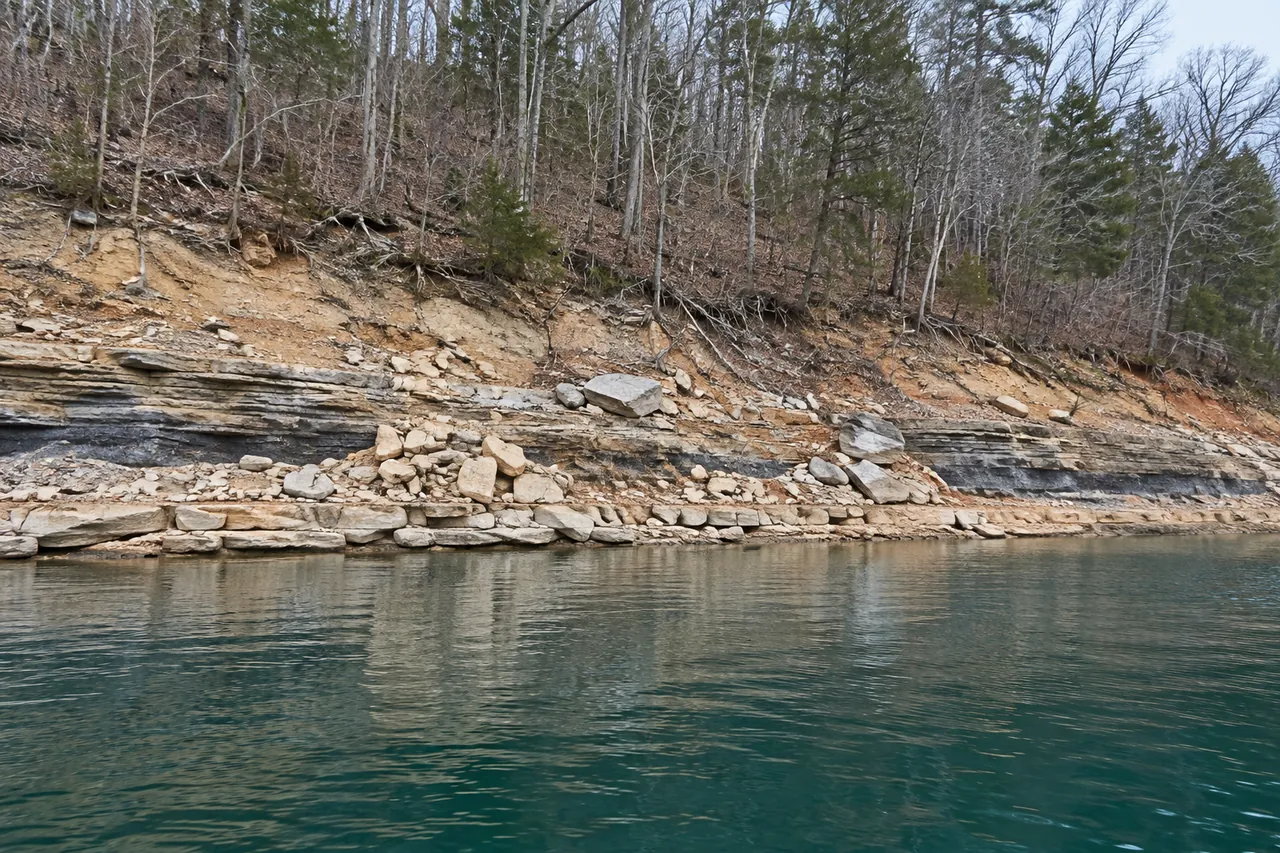
Every year Alabama Power lowers Smith Lake from its summer level near 510 feet toward a winter pool near 496 feet, about 14 feet lower. For a lakefront owner, that winter drawdown is when the base of a seawall, the toe of old riprap and the undercut parts of a bank come into view, and it's when construction on turtle-habitat shorelines has to happen. This page explains the lake's yearly cycle, what to look for while the water is down, and how to time a riprap or seawall job around it.
How Smith Lake's level moves through the year
Alabama Power operates Smith Lake as a storage reservoir. Its Smith Lake page describes these lakes as "having different summer and winter pool levels," and says they "are drawn down late fall into the winter" and "normally have their levels returned to summer pool levels during the spring timeframe." The operating guide, in Alabama Power's words:
- "The operating Guide begins in January at a winter pool elevation"
- and "rises during the late winter into early spring to summer pool elevation."
- "The Guide remains the same throughout the summer months, which supports recreation use on the lakes."
- "In fall and early winter, the Guide declines to make room for normal winter and spring flood flows."
Alabama Power adds that "Lake elevations are always subject to change, depending on conditions." Its Smith Lake page posts the current lake level.
The numbers: about 510 feet in summer, near 496 in winter
- Full summer level
- 510 feet, the guidelines' full pool and Alabama Power's fee ownership line
- Winter pool
- Near 496 feet, per Alabama Power's 2021 notice
- Seasonal swing
- About 14 feet (510 minus 496)
- Flood easement
- Up to 522 feet
The winter pool figure comes from a 2021 Alabama Power notice, which said the lake would lower from "its summer operating level near 510 feet" and continue "until the lake reaches its winter pool level near 496 feet" around the middle of November, "where the lake will remain through the winter." That year was unusual: the drawdown began July 1 for scheduled maintenance at the Smith Dam hydropower plant, rather than in late fall. It's still the most recent Alabama Power figure for the winter pool that we found, so check the Smith Lake page for current levels. Alabama Power notes the schedule and levels can change with the weather.
What low water shows you
A 14-foot drop exposes a lot of shoreline, and it's the best chance all year to see what the water hides. While the lake is down, look for and photograph:
- The base of a seawall: a hollow scoured under the footing, missing toe stone, or a gap opening under the wall.
- The toe of old riprap: stone that has slid down the slope, bare patches where rock has moved, or soil washing out from under the stone.
- Undercut banks: an overhang of soil and roots above a cut face, which can collapse when the lake comes back up.
- Dock and lift footings: anything that sits on, or is anchored into, the lakebed.
Date each photo and note the lake level that day. A contractor can read a lot from winter pictures, and they help when you describe the problem to Alabama Power's shoreline office.
Low water doesn't mean no permit
The lakebed is still the lakebed when it's dry. Alabama Power's permits page says that if you "wish to repair, build or modify anything in either the lakebed or the Alabama Power Flood easement," you need a permit, and it names only painting and pressure washing as exceptions. Placing stone, resetting old riprap, rebuilding a wall footing or digging in the exposed bottom all count. Ask the Smith Lake shoreline office (205-384-7385) before doing anything below the 510-foot line, even by hand.
Timing a riprap or seawall job around the drawdown
On shorelines Alabama Power has identified as potential flattened musk turtle habitat, enhanced natural stabilization is allowed only "between Nov. 1 and March 31," which falls during the lake's low months. Outside habitat, the guidelines and Corps permit we reviewed set no calendar window for riprap, though the Corps encourages in-water work during low flow.
Either way, winter is when the most bank is above water. Working backward from that:
- Late summer: get the shoreline looked at and ask the shoreline office whether your lot is turtle habitat.
- Early fall: apply. Alabama Power says review "can take up to 30 days or more depending on the required reviews."
- Late fall into winter: build while the lake is drawn down, and in habitat areas, between November 1 and March 31.
- Before spring: finish before the lake rises toward summer pool. The permit itself gives you one year from issue.
That calendar is a planning suggestion based on Alabama Power's published schedule, not a rule.
Docks and lifts in the drawdown
A 14-foot swing is a lot of travel for a dock walkway, a floating dock and a boat lift. If your dock sits high and dry or a lift no longer reaches the water in winter, that's worth raising with a dock contractor. Any change to the dock's position or footprint is work in the lakebed and goes through Alabama Power. See dock repair and boat lifts.
Drawdown questions
When does Smith Lake go down for the winter?
Alabama Power says its storage lakes are drawn down late in the fall into the winter, with the operating guide declining in fall and early winter. In 2021, a maintenance year, the lake reached winter pool near 496 feet around the middle of November.
When does it come back up?
Alabama Power's guide rises "during the late winter into early spring to summer pool elevation."
Can I place rock on the dry lakebed without a permit?
No. Work in the lakebed needs an Alabama Power permit whether or not water is over it.
Is winter the only time riprap can go in?
Only on identified turtle-habitat shorelines, where the window is November 1 to March 31. Elsewhere, the rules we reviewed set no season, but more of the bank is exposed in winter.
How this site helps
Call (205) 880-2401 or send a request, and we'll pass it to one independent local contractor who works on Smith Lake. Contractors are responsible for their own licensing, insurance, permits, pricing and warranties.
Related pages
Sources
- Alabama Power Shorelines: Smith Lake (operations and current level)
- Alabama Power Shorelines: Smith Lake drawdown notice (June 28, 2021)
- Alabama Power: Smith Lake residential shoreline guidelines (revised July 15, 2025)
- Alabama Power Shorelines: Permits
- Alabama Power: contractor's guide to enhanced natural stabilization
- U.S. Army Corps of Engineers, Mobile District: APCO programmatic general permits
See damage now that the water's down?
Send us a description or call, and we'll pass it to one independent local contractor who works on Smith Lake.